
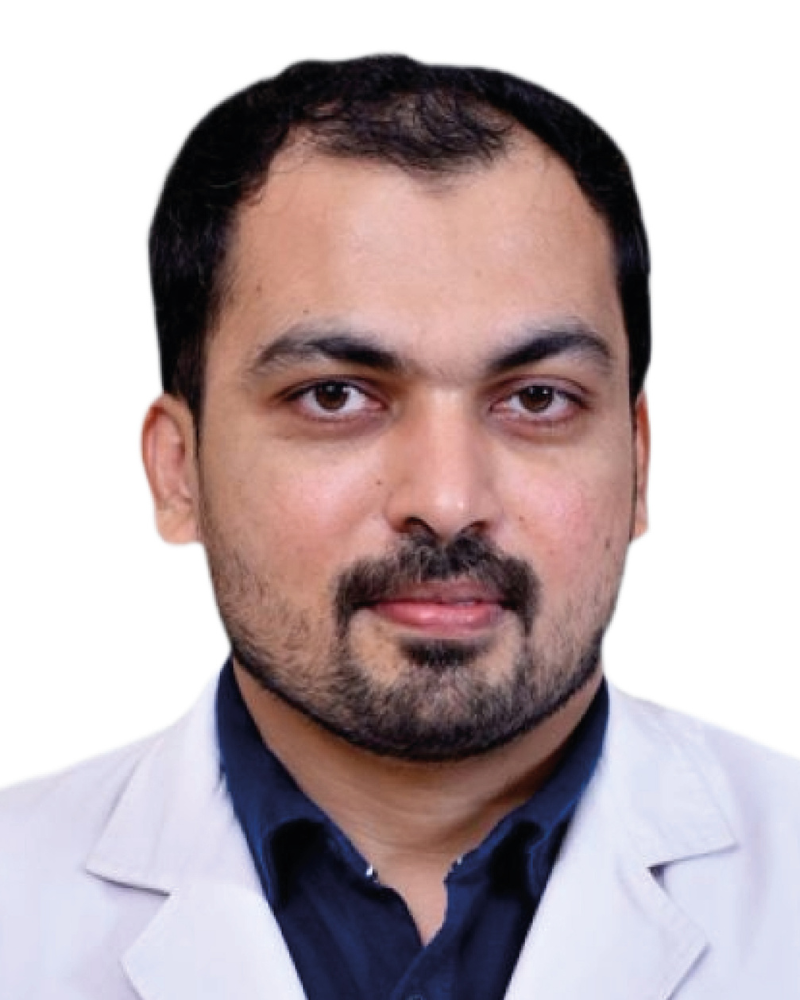
Meet Your Doctor

Expert Surgical Care

Dr. Khaleel Abdul Kader A P
10+
Years Experience

Education

Vinayaka Mission Medical College

Specialization

General Surgery

Work Experience

Multiple Hospitals

Dr. Khaleel Abdul Kader A P

Surgeon General Surgeon
Abdominal Surgery Laparoscopy Laser Surgery

About Dr. Khaleel Abdul Kader

Dr. Khaleel Abdul Kader A P is a general surgeon with 10 years of extensive experience in surgical practice. He specializes in abdominal surgery, laparoscopy, laser surgery, and diabetic-related surgical problems.

After completing his MBBS from Vinayaka Mission Kirupananda variyar Medical College and MS from Vinayaka Mission Medical College, Dr. Khaleel has worked in multiple hospitals including Sunrise Multi speciality Hospital(one year), Pondicherry Govt. Hospital(one and half years), and Indira Gandhi Co-op Hospital, gaining comprehensive surgical expertise.

Qualities

International surgical mentor and faculty for laproscopic surgery

Regularly performing surgeries in African countries , once in three months

Professional Background

Academic Excellence & Clinical Expertise

2001-2007

Vinayaka Mission Kirupananda Variyar Medical College

MBBS

Completed Medical Bachelor's degree from Vinayaka Mission Kirupananda Variyar Medical College in Salem. Graduated from Dr. MGR University during the 2001-2007 batch.

2009-2012

Vinayaka Mission Medical College

MS in General Surgery

Completed Master of Surgery (MS) from Vinayaka Mission Medical College in Karaikal. Graduated from Vinayaka Mission University during the 2009-2012 batch.

2019-Present

General Surgeon

Indira Gandhi Co-op Hospital

Currently serving as a General Surgeon at Indira Gandhi Co-op Hospital in Thalasserry. Continuing to provide expert surgical care with a focus on abdominal surgery and related procedures.

  • Specializing in abdominal surgery
  • Experienced in laparoscopic and laser surgical techniques
  • Focused on diabetic-related surgical problems
2017-2019

Laparoscopic Surgeon

Lakeshore Hospital

Worked as a Laparoscopic Surgeon at Lakeshore Hospital in Ernakulam, advancing expertise in minimally invasive surgical techniques.

  • Specialized in laparoscopic surgical procedures
  • Developed advanced surgical skills
  • Contributed to patient care and surgical innovation
2015-2017

Assistant Professor & Laparoscopic Surgeon

Arupadaiveedu Medical College

Served as an Assistant Professor and Laparoscopic Surgeon at Arupadaiveedu Medical College in Pondicherry, combining academic and clinical roles.

  • Taught and mentored medical students
  • Continued to develop laparoscopic surgical expertise
  • Contributed to medical education and research

Medical Degree

MBBS from Dr. MGR University

2001-2007

Surgical Specialization

MS in General Surgery

2009-2012

Surgical Expertise

Laparoscopic Surgery

Multiple Hospitals

Surgical Techniques

Laser Surgery Specialization

Ongoing

Medical Institution

Vinayaka Mission Universities

2001-2012
10+
Years Experience
4+
Hospitals Worked
2
Medical Degrees
3
Surgical Specialties

Professional Fellowships

Advanced specialized training programs that enhance surgical expertise and patient care excellence

Advanced Laparoscopic Surgery Fellowship

Advanced Laparoscopic Surgery

Comprehensive training in minimally invasive surgical techniques and advanced laparoscopic procedures.

12 Months Program
Board Certified
Gastrointestinal Surgery Fellowship

Gastrointestinal Surgery

Specialized fellowship focusing on complex gastrointestinal disorders and advanced surgical interventions.

18 Months Program
Fellowship Certified
Diabetic Surgery Fellowship

Diabetic Surgery

Advanced training in surgical management of diabetic complications and metabolic surgery techniques.

15 Months Program
Specialized Training

Common Questions Answered

Find answers to the most common questions about surgical procedures, recovery, and care. If you can't find what you're looking for, don't hesitate to contact us.

0 results

What types of surgical procedures does Dr. Khaleel perform?

Dr. Khaleel Abdul Kader A P specializes in a comprehensive range of surgical procedures, including:

  • Abdominal Surgery: For treating various abdominal conditions
  • Laparoscopic Surgery: Minimally invasive procedures with smaller incisions
  • Bariatric Surgery: For patients with obesity and related conditions
  • Laser Surgery: Advanced precision surgical procedures
  • Diabetes-Related Surgical Care: For patients with diabetes complications

All procedures utilize the latest minimally invasive techniques when appropriate to reduce recovery time and improve outcomes.

How long does a typical surgical procedure take?

Surgery duration varies by procedure type and individual patient factors, but general timeframes are:

  • Laparoscopic gallbladder removal: 1-2 hours
  • Abdominal hernia repair: 1-2 hours
  • Bariatric surgery: 1-3 hours
  • Laser procedures: 30 minutes to 1 hours

These times reflect the actual surgical procedure and don't include preparation and recovery room time. Dr. Khaleel will provide you with a more specific timeframe during your pre-surgical consultation based on your individual case.

What are the benefits of minimally invasive surgery?

Minimally invasive surgical techniques offer several significant advantages:

  • Smaller incisions (typically 0.5-1 inch versus 6-12 inches for traditional surgery)
  • Less damage to surrounding muscles and soft tissues
  • Reduced blood loss during surgery
  • Lower risk of infection and complications
  • Less post-operative pain
  • Shorter hospital stays (often 1-2 days versus 3-5 days)
  • Faster overall recovery and return to normal activities
  • Improved cosmetic results with smaller scars

While not every patient is a candidate for minimally invasive approaches, Dr. Khaleel evaluates each case individually to determine the most appropriate surgical technique.

What is the success rate for laparoscopic procedures?

Modern laparoscopic procedures have excellent success rates. Research shows that approximately 95-98% of laparoscopic surgeries are successfully completed without needing to convert to open surgery. Dr. Khaleel has extensive experience with these techniques, having successfully treated numerous patients.

Factors that affect surgical success include:

  • Patient's overall health and medical history
  • Complexity of the condition being treated
  • Previous abdominal surgeries
  • Body weight and anatomy
  • Surgeon's experience and expertise

With his 10 years of experience and specialization in minimally invasive techniques, Dr. Khaleel ensures precision and optimal recovery for his patients. He uses the latest evidence-based approaches to maximize successful outcomes.

How long is the hospital stay after surgery?

Hospital stays have become significantly shorter in recent years due to advances in surgical techniques and enhanced recovery protocols:

  • Laparoscopic procedures: Typically 0-1 days
  • Abdominal surgeries: Usually 1-3 days
  • Bariatric surgeries: Often 1-2 days

Some uncomplicated procedures may even qualify for our outpatient surgery program, allowing you to return home the same day as surgery. This determination is made based on your overall health, home support system, and specific surgical details.

Dr. Khaleel's approach emphasizes getting patients moving as soon as safely possible after surgery, often within hours of the procedure. This early mobilization significantly improves outcomes and speeds recovery.

When can I drive after surgery?

The timeline for returning to driving varies by procedure and individual recovery:

  • Laparoscopic procedures: Generally 1-2 weeks
  • Abdominal surgeries: Usually 2-4 weeks
  • Bariatric surgery: Typically 1-2 weeks

Before resuming driving, you should be:

  • No longer taking narcotic pain medications
  • Able to comfortably enter and exit the vehicle
  • Capable of controlling the vehicle in an emergency situation
  • Able to turn your body as needed for safe driving
  • Free from restrictions that would impair your reaction time

Dr. Khaleel will assess your progress during follow-up appointments and provide personalized guidance about when it's safe for you to resume driving.

How long will I need to rest after surgery?

Recovery periods vary based on the type of procedure and individual factors. While each patient's rehabilitation protocol is customized, typical timelines include:

  • Initial phase: Rest is important during the first few days after surgery
  • Gradual activity: Light activities can usually resume within 1-2 weeks
  • Return to normal activities: Most patients can return to normal activities within 2-6 weeks

Your recovery program will progress through stages focusing on:

  1. Pain management and reducing swelling
  2. Gradually increasing mobility
  3. Building strength and endurance
  4. Return to normal daily activities
  5. Full recovery and preventive care

Dr. Khaleel and his team will provide specific instructions for your recovery based on your procedure and individual needs.

When can I return to work after surgery?

Return to work timelines vary significantly based on your specific job requirements and the type of procedure:

Sedentary/Desk Jobs:

  • Laparoscopic procedures: 1-2 weeks
  • Abdominal surgery: 2-4 weeks
  • Bariatric surgery: 1-3 weeks

Light Physical Work (minimal lifting/carrying):

  • Laparoscopic procedures: 2-3 weeks
  • Abdominal surgery: 4-6 weeks
  • Bariatric surgery: 3-4 weeks

Heavy Physical Labor:

  • Laparoscopic procedures: 4-6 weeks
  • Abdominal surgery: 6-8 weeks
  • Bariatric surgery: 4-8 weeks

Many patients benefit from a phased return with reduced hours or modified duties initially. Dr. Khaleel works closely with you and your employer to determine appropriate work restrictions and accommodations during your recovery period.

What insurance plans do you accept?

We accept most major insurance plans, including:

  • Government health insurance schemes
  • Private health insurance providers
  • International insurance plans
  • Corporate insurance programs
  • Self-pay options

Our billing team verifies your insurance coverage before your first appointment and discusses any potential out-of-pocket costs with you. We strive to provide transparent financial information so you can make informed decisions about your care.

If you don't see your insurance listed or have questions about coverage, please contact our billing office at 9523 95555.

Does insurance cover surgical procedures?

Most insurance plans cover surgical procedures when they're deemed medically necessary. Medical necessity is generally established when:

  • You have a diagnosed condition requiring surgical intervention
  • Your condition continues despite conservative treatments
  • Imaging studies confirm the diagnosis
  • Your symptoms are consistent with the diagnosis

Insurance coverage typically includes:

  • Pre-surgical consultations and testing
  • The surgical procedure itself
  • Hospital stay
  • Standard surgical materials
  • Post-surgical care
  • Follow-up visits

Our insurance specialists will work with your provider to obtain pre-authorization before scheduling surgery and can provide you with an estimate of any out-of-pocket costs based on your specific coverage.

What if I don't have insurance or my procedure isn't covered?

We understand that navigating healthcare costs can be challenging, and we offer several options for patients without insurance or with limited coverage:

Self-Pay Package: We offer comprehensive self-pay packages for surgical procedures that include:

  • Surgeon's fee
  • Standard surgical supplies
  • Initial post-operative visits

Payment Plans: For qualified patients, we offer interest-free payment plans that allow you to spread the cost of your procedure over several months.

Medical Financing: We work with several medical financing companies that specialize in healthcare loans.

Financial Assistance: Our financial counselors can help determine if you qualify for any hospital-based financial assistance programs or other resources.

We encourage you to schedule a consultation with both Dr. Khaleel and our financial counselor to discuss your specific medical needs and explore all available options.

How should I prepare for surgery?

Preparing properly before surgery significantly enhances your recovery experience. We recommend these preparations:

Medical Preparation:

  • Complete all pre-surgical testing as directed
  • Follow medication instructions provided by Dr. Khaleel
  • Avoid smoking for at least 2 weeks before surgery
  • Maintain a healthy diet and stay well-hydrated
  • Report any illnesses or infections prior to surgery

Home Preparation:

  • Arrange for someone to drive you home after surgery
  • Prepare meals in advance for easy reheating
  • Set up a comfortable recovery area with necessities nearby
  • Stock up on necessary supplies (bandages, medications, etc.)
  • Remove tripping hazards from your home

Personal Preparation:

  • Shower with antibacterial soap the night before and morning of surgery
  • Do not apply lotions, deodorants, or makeup on the day of surgery
  • Remove all jewelry and leave valuables at home
  • Wear loose, comfortable clothing to the hospital
  • Bring your insurance card and identification

Dr. Khaleel's team will provide you with detailed pre-operative instructions specific to your procedure during your pre-surgical consultation.

What medical tests will I need before surgery?

To ensure your safety during surgery, we require several pre-operative tests and evaluations, typically completed 1-2 weeks before your procedure:

Standard Pre-operative Testing:

  • Complete blood count (CBC)
  • Comprehensive metabolic panel (CMP)
  • Urinalysis
  • Electrocardiogram (EKG/ECG)
  • Chest X-ray
  • Blood glucose assessment (especially for diabetic patients)

Additional Tests: Depending on your medical history and age, you may also need:

  • Cardiac stress test or echocardiogram
  • Pulmonary function tests
  • Sleep apnea screening
  • Additional blood tests for specific conditions
  • Imaging studies of the surgical area

Medical Clearances: You may need evaluations from:

  • Your primary care physician
  • Cardiologist (if you have heart conditions)
  • Endocrinologist (for diabetes management)
  • Other specialists managing chronic conditions

Our surgical coordinator will provide you with a complete checklist and help schedule all necessary appointments. Most tests can be completed at our affiliated medical center for your convenience.

Should I stop taking my medications before surgery?

Medication management before surgery is critical for your safety. Always follow the specific instructions provided by Dr. Khaleel's team, but general guidelines include:

Medications Typically Stopped Before Surgery:

  • NSAIDs (7-10 days before): Ibuprofen, naproxen, aspirin, etc.
  • Blood Thinners (timing varies): Warfarin, clopidogrel, aspirin, etc.
  • Certain Supplements (7-14 days before): Vitamin E, fish oil, ginseng, garlic, ginkgo biloba, etc.
  • Diet Pills and Weight Loss Medications: Usually stopped 2 weeks before surgery
  • Certain Diabetes Medications: Often adjusted before surgery

Medications Usually Continued:

  • Blood pressure medications
  • Heart medications
  • Thyroid medications
  • Anti-seizure medications
  • Most psychiatric medications
  • Asthma and respiratory medications

Special Considerations:

  • Some medications require specific tapering schedules rather than abrupt discontinuation
  • Blood thinners often require "bridging" with alternative medications
  • Steroid medications may need dose adjustments rather than discontinuation

At your pre-operative appointment, bring a comprehensive list of all medications you take, including prescription drugs, over-the-counter medications, and supplements with their dosages and frequency. Dr. Khaleel's anesthesia team will review this list and provide detailed written instructions for each medication.

What activities should I avoid after surgery?

After surgery, certain activity restrictions help protect your body during the healing process:

Laparoscopic Surgery Precautions (first 2-4 weeks):

  • Avoid lifting anything heavier than 5-10 pounds
  • No strenuous exercise or activities
  • Avoid straining or pushing during bowel movements
  • Take short walks but avoid prolonged standing
  • No driving until cleared by Dr. Khaleel

Abdominal Surgery Precautions:

  • No heavy lifting (more than 5 pounds) for 4-6 weeks
  • Avoid bending and twisting at the waist
  • Use pillows to support your abdomen when coughing
  • No driving for 2-4 weeks
  • Avoid swimming and bathing until wounds are fully healed

Bariatric Surgery Precautions:

  • Follow dietary guidelines exactly as prescribed
  • Avoid carbonated beverages, alcohol, and straws
  • No lifting more than 10 pounds for 3-4 weeks
  • Avoid strenuous exercise for 4-6 weeks
  • Stay well-hydrated with small, frequent sips

Long-Term Activity Guidelines:
After full recovery (typically 6-8 weeks), most patients can resume many activities, but we generally recommend:

  • Encouraged activities: Walking, swimming, cycling, light stretching
  • Discuss with Dr. Khaleel: Weight training, more vigorous exercise
  • Use caution with: Contact sports, heavy lifting, activities with fall risk

Dr. Khaleel will provide personalized activity guidelines based on your specific procedure, overall health, and recovery progress.

How do I care for my incision after surgery?

Proper incision care is essential for preventing infection and promoting optimal healing:

Initial Dressing Care:

  • Keep the surgical dressing clean, dry, and intact until your first follow-up appointment (usually 5-7 days)
  • Do not remove the dressing unless instructed to do so
  • If the dressing becomes saturated, loose, or falls off, contact our office for instructions

Showering Guidelines:

  • With waterproof dressings: You may shower 48 hours after surgery, following specific instructions
  • With standard dressings: Sponge bathe until your first post-op visit, keeping the incision dry
  • No submerging the incision in water (baths, pools, hot tubs) until cleared by Dr. Khaleel (typically 2-3 weeks)

After Dressing Removal:

  • Keep the incision clean and dry
  • You may shower letting water run over the incision, but don't scrub the area
  • Pat the area dry gently after showering
  • Don't apply lotions, creams, or ointments to the incision unless specifically prescribed
  • Avoid exposing the incision to direct sunlight for at least 12 months (can cause darkening)

Warning Signs to Report Immediately:

  • Increased redness, warmth, or swelling
  • Drainage or opening of the wound
  • Foul odor from the incision
  • Fever over 101.5°F
  • Increasing pain unrelieved by medication

At discharge, you'll receive detailed written instructions for your specific incision care. Always call our office if you have any concerns about your incision's appearance or healing.

What long-term care is needed after surgery?

To maintain optimal health after surgical procedures, follow these long-term care guidelines:

Regular Follow-Up Care:

  • Initial recovery: Typically appointments at 1 week, 2 weeks, and 1 month
  • Long-term: Annual follow-up visits for certain procedures (especially bariatric surgery)
  • These visits include physical examination to monitor your progress and recovery

Lifestyle Recommendations:

  • Maintain a healthy weight to prevent recurrence of some conditions
  • Follow a balanced diet appropriate for your specific condition
  • Engage in regular physical activity as recommended by Dr. Khaleel
  • Avoid smoking which can impair healing and increase complications
  • Limit alcohol consumption, especially after bariatric procedures

Nutrition Guidance:

  • For bariatric patients: Follow specific dietary protocols and take prescribed supplements
  • For diabetes patients: Monitor blood sugar levels and follow diabetic dietary guidelines
  • For general surgical patients: Focus on protein intake to support tissue repair

When to Contact Us:

  • New or increased pain in the surgical area
  • Signs of recurrence of your condition
  • Any symptoms that concern you related to your procedure
  • Questions about diet, activity, or medication

With proper care and follow-up, you can enjoy lasting benefits from your surgical procedure and maintain improved health for years to come.

No matching questions found

Try different keywords or browse the categories above. If you still can't find what you're looking for, please contact our office directly.

Still have questions?

Our patient care team is available to address your specific concerns and provide personalized information about Dr. Khaleel's surgical services.

Contact Us